An
company | Brands
Blog & News/Burnout Prevention for High-Intensity Travel Nurses
Burnout Prevention for High-Intensity Travel Nurses
Travel nursing demands resilience, adaptability and exceptional clinical skills. You thrive in high-pressure environments, hit the ground running in unfamiliar facilities and deliver quality care wherever you're needed. But the same qualities that make you successful can also put you at risk for burnout.
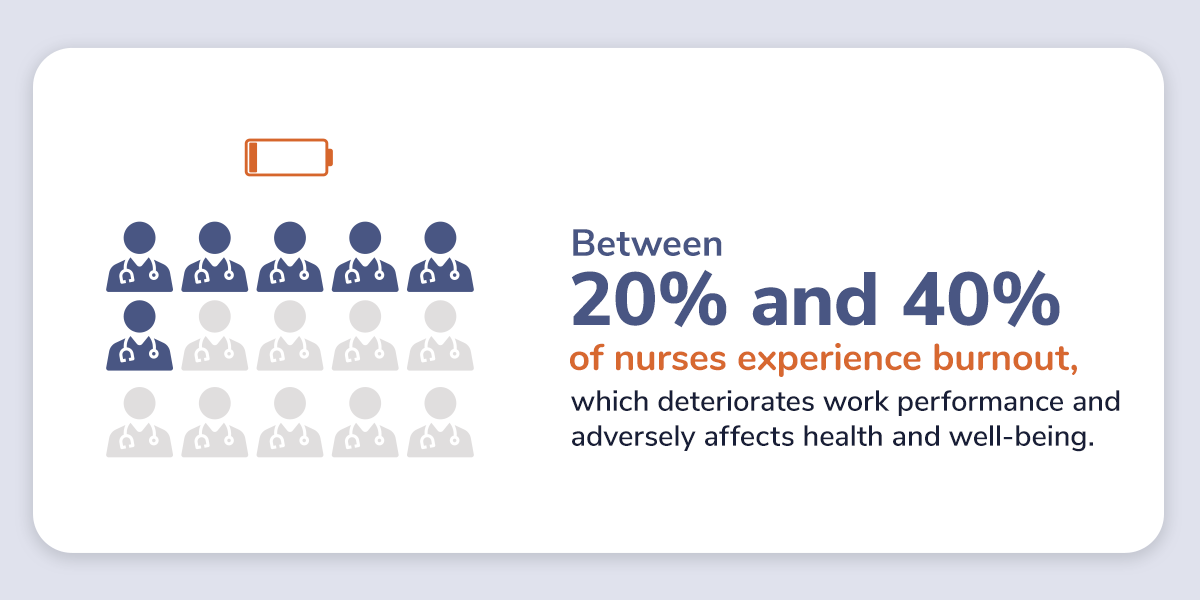
Between 20% and 40% of nurses experience burnout, which deteriorates work performance and adversely affects health and well-being. For travel nurses, the challenge intensifies. You're constantly adapting to new teams, protocols and expectations while navigating professional isolation away from support systems.
Burnout prevention for high-intensity travel nurses means working sustainably throughout every assignment. This guide provides actionable strategies to help you build a rewarding, long-term career. While these approaches are designed for travel nurses, many allied professionals facing similar on-the-road challenges may find them beneficial too.
What Makes Burnout Different for Travel Nurses?
Travel nurse burnout stems from unique professional pressures that staff nurses don't face. The transient nature of travel assignments creates distinct challenges that compound over time.
As a travel nurse, you're a perpetual newcomer. Every assignment means getting a new login, adapting to unfamiliar facility protocols and building rapport with teams who already have established working relationships. You're expected to perform at full capacity with minimal orientation, often in high-acuity units that request experienced reinforcement.
Professional isolation adds another layer of difficulty. Staff nurses benefit from stable colleague relationships, mentorship networks and institutional knowledge built over months or years. You arrive without those safety nets, making it difficult to seek guidance, decompress after challenging shifts or feel connected to your workplace.
Role conflict, moral distress, family issues and stress contribute to burnout, which are all amplified by the travel nurse experience. When you encounter ethical challenges or unclear expectations, you may lack the established relationships needed to navigate them. These hard experiences take a toll even on the most prepared, resilient travel nurses.
Generic burnout advice designed for staff nurses won't adequately address your reality. You need strategies tailored to constant transition and professional independence.
Proactive Strategies for Preventing Burnout on Assignment
Travel nurse burnout prevention starts with intentional planning at every stage of your assignment. These strategies will help you maintain control over your work environment and recovery time, reducing cumulative stress.
Vet Assignments for a Sustainable Workload
Choosing the right assignment is your first and most powerful prevention strategy. Asking the right questions upfront can protect you from unsustainable situations.
Request detailed information to ensure the assignment aligns with your capacity:
Nurse-to-patient ratios: Ask about typical ratios for your unit and whether they're maintained consistently. Chronically understaffed units increase burnout risk.
Floating policies: Clarify expectations around floating to other units. Floating to unfamiliar specialties can add another layer of stress.
Orientation length and structure: Confirm how many orientation shifts you'll receive and whether they're full shifts with a dedicated preceptor.
Assignment specialty match: Verify the unit specialty matches your experience and comfort level. Accepting assignments outside your expertise for higher pay rarely ends well.
Being strategic during job selection protects both your well-being and your ability to deliver quality patient care.
Set Boundaries and Manage In-Shift Stress
High-intensity shifts require stress management tactics. Establishing clear boundaries helps you maintain emotional equilibrium during challenging workdays. Job stressors drive burnout, and the need for recovery mediates the relationship between stressors and symptoms.
Implement these boundaries and stress-management practices:
Take your scheduled breaks: About 55% of nurses skip breaks or meals on most shifts because they're too busy. Protect your break time as nonnegotiable. Even 10 minutes away from the unit helps your nervous system reset.
Practice brief mindfulness or breathing exercises: Use short breathing techniques between patient rooms to manage acute stress.
Communicate clearly with your unit manager: Establish open communication about workload concerns early. Speak up when assignments feel unsafe.
Develop a Nonnegotiable Recovery Routine
Post-shift recovery lays the foundation for sustainable performance on demanding assignments, especially if you're in unfamiliar housing.
Create simple, repeatable routines that prioritize recovery:
Prioritize sleep hygiene: Maintain consistent sleep schedules as much as shift work allows. A dark, quiet environment is best for quality sleep.
Eat nourishing meals: Keep healthy options available in your temporary housing. Proper nutrition supports physical energy and emotional regulation.
Incorporate physical activity: Movement helps process stress hormones. Even short walks provide measurable benefits.
Develop a decompression ritual: Establish a post-shift routine that signals work is over — whether that's a shower, change of clothes or brief meditation.
The goal is to create reliable patterns that support your body and mind's recovery between shifts, no matter where you are.
How to Build a Career-Sustaining Support System
Personal prevention strategies form one pillar of burnout prevention, but long-term sustainability requires external support infrastructure. Professional and personal support systems are essential for navigating constant transition.
Use Clinical Support and Mentorship
Dedicated clinical support transforms the travel nurse experience. Expert guidance when you encounter unfamiliar protocols or complex patient scenarios significantly reduces the stress of working independently.
Comprehensive clinical support includes:
24/7 on-call clinical expertise: Immediate access to experienced clinicians who can answer questions or provide guidance during difficult situations. This is invaluable during night shifts or when you're the most experienced nurse on a unit.
A sounding board for high-stress scenarios: Someone outside your facility who can offer an objective perspective on ethical dilemmas or clinical concerns.
Proactive career and assignment guidance: Mentorship that helps you make strategic decisions about contract selections and long-term trajectory.
The best agencies provide 24/7 clinical team access specifically designed for travel nurses, because working independently requires backup you can trust.
Find Mental Health Resources
In a high-stress profession, seeking mental health support is a sign of strength and essential for a sustainable career. Mental health resources for travel nurses, like the following, offer confidential spaces to process the unique challenges of your career:
Nurse-specific support networks: Organizations and hotlines designed for healthcare professionals who understand your unique stressors.
Agency-provided wellness programs: Many reputable agencies offer counseling services, employee assistance programs or specialized wellness support designed for healthcare professionals.
Digital tools for daily well-being: Apps for meditation, stress management or mood tracking provide convenient support.
Create Your Own Community on the Road
Professional isolation is one of the most challenging aspects of travel nursing. You can create meaningful temporary connections that reduce isolation.
Build community on the road:
Connect with fellow travelers: Seek out other travel nurses in your facility. They understand your experience and often become both colleagues and friends.
Lean on digital communities: Online forums and virtual meetups for travel nurses provide connection and advice regardless of location.
Pursue hobbies and local interests: Join fitness classes, book clubs or volunteer organizations. Shared interests create natural connection points.
Be a tourist in your temporary home: Explore your assignment location. New experiences combat the sense of rootlessness that contributes to burnout.
Build a Sustainable and Rewarding Career With Fastaff
Burnout is a manageable challenge when you have the right strategies and support. The key is combining personal prevention strategies with a supportive professional infrastructure that understands the unique demands of travel nursing.
Fastaff provides the comprehensive support system career-minded travel nurses need to thrive long-term. Our 24/7 clinical team offers guidance through unfamiliar protocols and complex patient scenarios. We match you to assignments that align with your skills and career goals. Through the Ingenovis Health Clinician Experience program, you'll access mental health and well-being resources designed specifically for healthcare professionals.
Ready to build a sustainable and rewarding career? Browse available assignments or apply to start your journey with a partner who's committed to your long-term success.